Many companies that go public through a Form 10, an S-1 resale registration or Regulation A want their shares quoted on the OTC Markets. The step that makes that happen is a Form 211, filed with FINRA under Rule 15c2-11. Founders are often surprised to learn they cannot file it themselves.
I spent sixteen years at the SEC. Many of the market-manipulation cases I worked started with a thinly traded OTC stock and a quotation nobody had looked at closely. The rules have tightened since then. Here is how the process works now.
What Rule 15c2-11 Does
Rule 15c2-11 under the Securities Exchange Act of 1934 governs broker-dealers. Before a broker-dealer can publish a quote for a security in an over-the-counter quotation medium, it must have reviewed specified, current information about the issuer and have a reasonable basis for believing that information is accurate and from a reliable source.
The rule is aimed at the broker-dealer, not the company. But it decides whether your shares can be quoted at all.
What Form 211 Is
Form 211 is FINRA's form. Under FINRA Rule 6432, a FINRA member firm that wants to initiate or resume quotation of an OTC equity security files a Form 211 to show it has complied with Rule 15c2-11.
Three practical consequences follow:
- ›A market maker files it, not the company. You need a FINRA member broker-dealer willing to sponsor the filing.
- ›The company cannot pay for it. FINRA Rule 5250 prohibits a member firm from accepting payment from an issuer for quoting its securities or for filing a Form 211.
- ›FINRA reviews it. FINRA staff can send deficiency questions back to the market maker, and the market maker will turn to you for answers.
The Information a Market Maker Needs
For an SEC-reporting company, the core information is its periodic reports: a current Form 10-K, Forms 10-Q and the registration statement that made it reporting. For a company that reports under Regulation A, the Regulation A reports serve a similar role. A company that is not reporting with the SEC can sometimes rely on information it publishes through OTC Markets' disclosure service, but the information has to meet the rule's standards and be current.
Expect the market maker and FINRA to ask about:
- ›Who controls the company and how they got their shares
- ›How the current shareholders acquired their shares, and whether those shares are freely tradable
- ›Any promoters, consultants or paid stock promotion
- ›Any prior shell status, reverse merger or change of control
- ›Recent issuances, especially at steep discounts
What Changed in 2021
The SEC amended Rule 15c2-11 in September 2020, with compliance required from September 28, 2021. The central change: the information about the issuer must now be current and publicly available for a broker-dealer to start or keep quoting. The old "piggyback" exception, which let broker-dealers keep quoting a stock simply because it had been quoted before, now also depends on current public information.
The result was that thousands of securities without current public information moved to the restricted "Expert Market," where retail quotation is not available. For a company planning to trade, staying current is no longer just good practice. It is what keeps the quote alive.
Why Quotation Efforts Stall
The Form 211 files I have seen go sideways usually share a few features:
- ›No genuine shareholder base. Shares held by a handful of insiders, or by holders who received them in ways FINRA questions.
- ›Tradability problems. Shares that are still restricted under Rule 144, or a shell history that limits Rule 144 entirely.
- ›Inconsistent records. A shareholder list, transfer agent records and SEC filings that do not match.
- ›Promotion signals. Paid promotion, undisclosed consultants or large blocks issued just before the filing.
Each of those can turn a routine review into months of deficiency letters. Fix them before the market maker files.
After the Form 211 Clears
Clearance lets the market maker quote. It does not list you on a particular tier. OTCQX and OTCQB each have their own eligibility standards, such as minimum bid price, public float and shareholder counts, and their own application and fees. Separately, if your shares will trade electronically, they generally need to be DTC-eligible. Plan for each step.
How Long It Takes
There is no fixed timeline. A clean file for a reporting company with a real shareholder base can clear in weeks. A file with control, tradability or promotion questions can take months. The best predictor is how consistent your public record is before the filing starts.
Chapter 9 of my book walks through the process in detail: Form 211 and the OTC Markets. For the larger choice of how to go public, see How to Take a Company Public: S-1, Form 10 or Reg A.
Related Reading
Questions about how this applies to your company? Email me directly at flehrer@securitiesattorney1.com or call (561) 706-7646.
This post is general information, not legal advice.
Authoritative Sources
- SEC Form S-1 — Registration Statement Under the Securities Act — U.S. Securities and Exchange Commission
- 17 C.F.R. Part 229 — Regulation S-K — Electronic Code of Federal Regulations
- Securities Act of 1933 (15 U.S.C. §§ 77a et seq.) — U.S. Government Publishing Office
- Securities Exchange Act of 1934 (15 U.S.C. §§ 78a et seq.) — U.S. Government Publishing Office
Primary sources are cited so readers can verify the law directly. Rules and staff guidance change; see our editorial and corrections policy to report an error or an outdated citation.
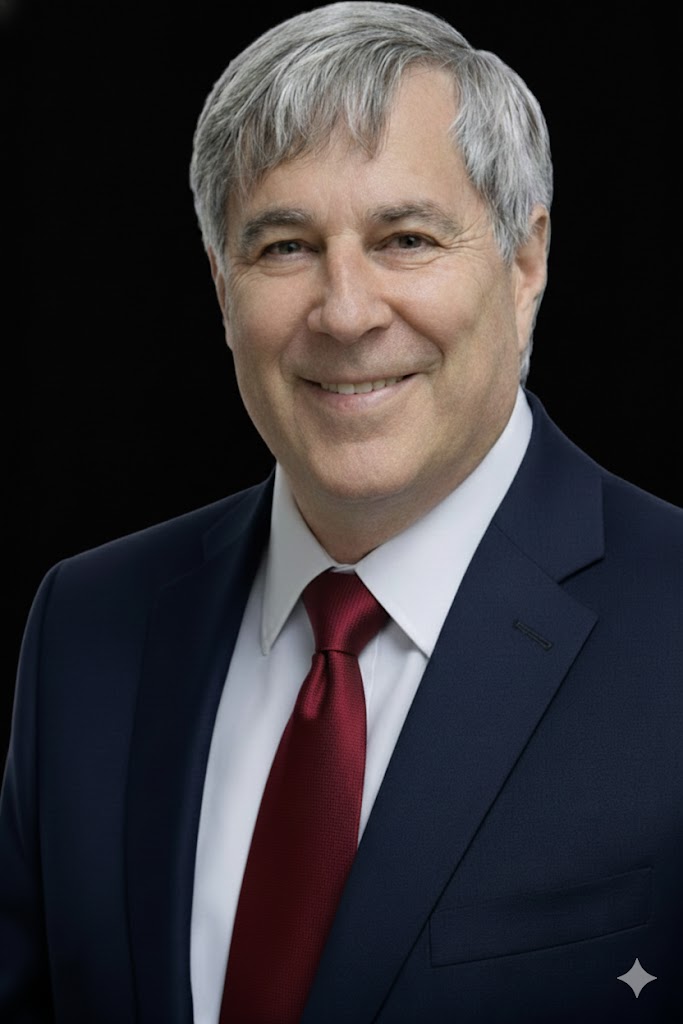
Frederick M. Lehrer served as an enforcement attorney in the SEC's Division of Enforcement at the Southeast Regional Office from 1991 through 2000, and concurrently as a Special Assistant United States Attorney in the Southern District of Florida from 1997 through 1999, prosecuting securities-related financial crimes. He has practiced securities and corporate law in private practice for more than twenty-five years, advising issuers worldwide on SEC registration, disclosure obligations, Regulation D private placements, Regulation A offerings, and going public transactions. The firm is based in Florida and serves clients internationally.
Questions about how this applies to your company are answered personally — most within the same business day. Flat-fee arrangements available for most work.